

No Breach Zone – Your Guide to Preventing Data Breaches
Why Data Breaches Are Every Business Owner’s Worst Nightmare
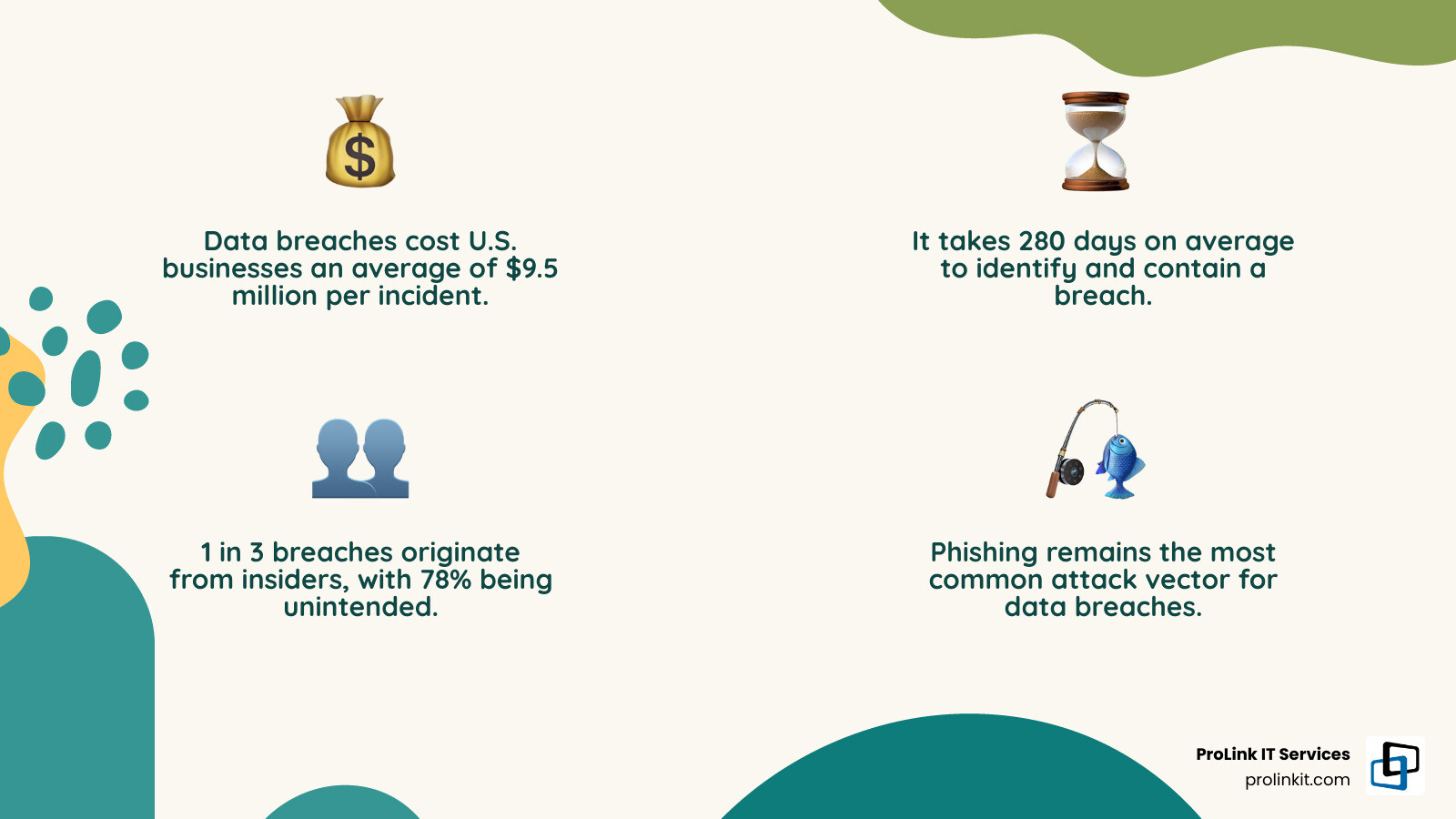
Understanding how to prevent breaches is critical. Data breaches cost U.S. businesses an average of $9.5 million per incident and take nearly 280 days to contain. The good news is that most are preventable with the right approach.
Quick Answer: How to Prevent Breaches
- Train employees on phishing and security awareness
- Enable multi-factor authentication on all accounts
- Keep software updated and patch vulnerabilities quickly
- Encrypt sensitive data both at rest and in transit
- Implement access controls using least privilege principles
- Monitor networks for suspicious activity
- Create an incident response plan for when attacks happen
- Backup data regularly and test recovery procedures
“A data breach is a cybersecurity incident where someone intentionally or unintentionally leaks an organization’s sensitive information.” The reality is stark: 1 in 3 breaches involve insiders, and 78% are unintended. The consequences—financial loss, reputational damage, and legal penalties—are severe.
The threat landscape evolves, but prevention fundamentals remain. With phishing as the top attack vector and remote work expanding the attack surface, prevention is a business survival strategy.
I’m Mitch Johnson, founder and CEO of ProLink IT Services. With over 20 years in cybersecurity, I’ve helped Utah businesses implement practical, layered security. The most effective strategies combine people, processes, and technology without disrupting daily operations.
How to prevent breaches terms to learn:
Understanding the Threat: What is a Data Breach and Why Should You Care?
A data breach is the unauthorized access to your organization’s sensitive data. Whether it’s customer information, financial records, or trade secrets, the damage begins the moment it falls into the wrong hands.
The stakes are incredibly high. Data breaches now cost U.S. businesses an average of $9.5 million per incident. This figure covers everything from forensic investigations and legal fees to lost customer trust.
Financial loss includes direct costs like hiring experts and paying fines, but hidden costs like lost business and soaring insurance premiums are often more damaging. The average breach cost is climbing annually, highlighting the growing financial risk.
Reputational damage can be worse than the financial hit. Trust takes years to build and seconds to destroy. Many companies struggle for years after a breach as customers no longer feel safe sharing their information.
The legal penalties are also getting tougher. Regulations like GDPR, CCPA, and HIPAA carry hefty fines. The new Cyber Incident Reporting for Critical Infrastructure Act (CIRCIA) mandates tight reporting deadlines for critical infrastructure companies, adding another layer of legal pressure.
Beyond business impact, identity theft affects the real people whose data was stolen. Individuals can face years of financial fraud and credit problems after their personal information is sold on dark web markets.
High-profile examples prove the risk. The 2017 Equifax data breach exposed sensitive information for nearly 148 million Americans. The Yahoo’s billion-user breach affected billions of accounts, showing how long attacks can go undetected.
These examples prove that learning how to prevent breaches is a business survival issue. Understanding The 4 Types of Data Breaches You Need to Know is the first step toward building your defenses. No organization is too small to be a target; cybercriminals seek the easiest targets with the most valuable data.
The Weakest Links: Common Causes of Data Breaches
To learn how to prevent breaches, you must understand how they happen. Most breaches exploit simple, overlooked weaknesses rather than master-level hacking.
External Attacks: The Usual Suspects
Most successful attacks exploit common vulnerabilities.
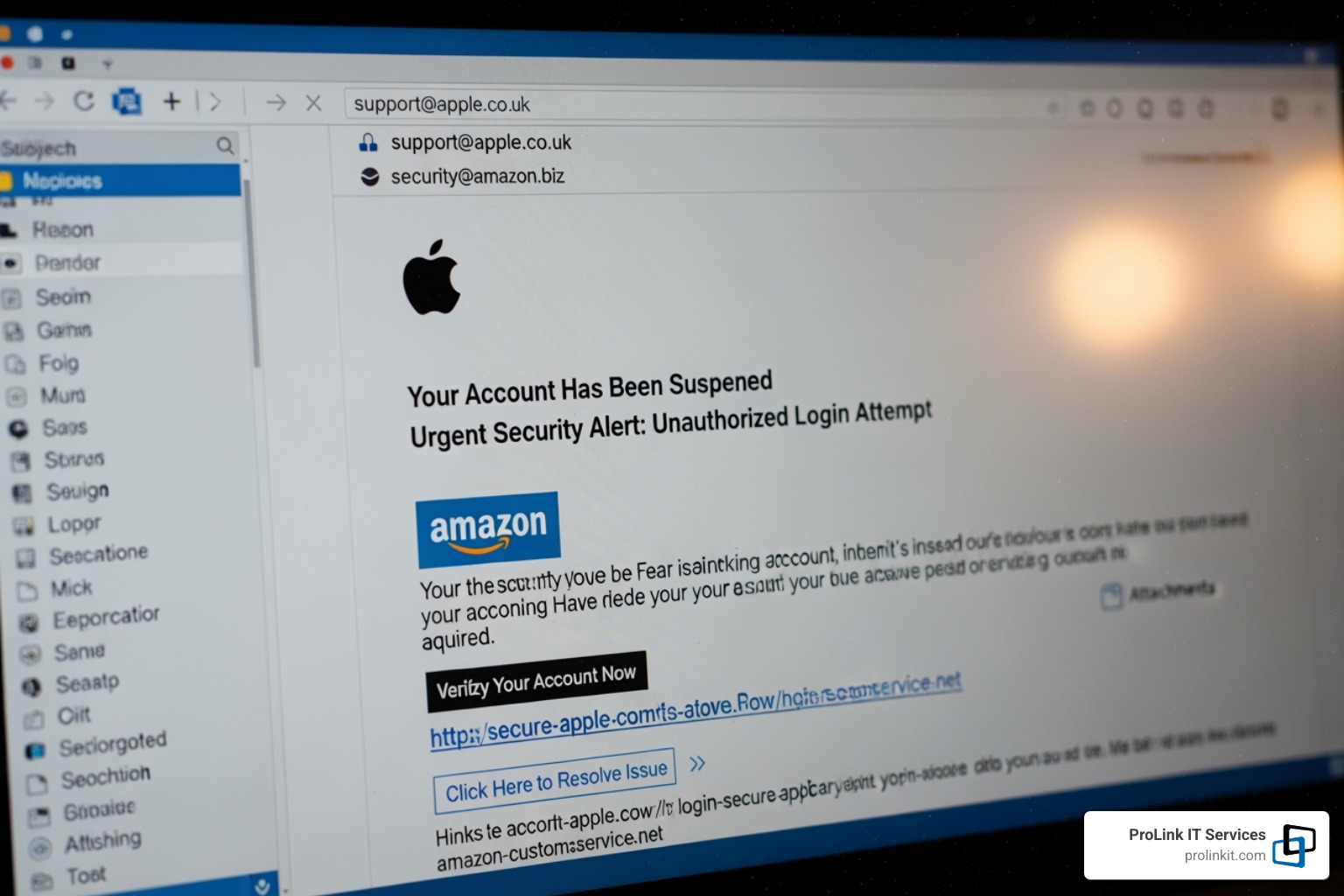
Phishing is the top cause of data breaches. Modern phishing emails are sophisticated, using AI to appear legitimate and trick employees into sharing credentials or clicking malicious links. A phishing-initiated breach costs an average of $4.91 million.
Malware and ransomware are digital break-ins. Once inside your systems, they steal data, encrypt files, or both. Modern ransomware often exfiltrates data before encrypting it, giving attackers double leverage. Don’t fall for common misconceptions; learn the truth in Don’t Fall for These 3 Ransomware Myths.
Weak credentials like “password123” are still common. Reusing weak passwords across multiple accounts means one breach can lead to many through a technique called credential stuffing.
Unpatched software is like leaving a door open uped. When companies release security patches, failing to install them leaves you exposed to known vulnerabilities.
Insider Threats: The Danger Within
According to research from Intermedia and Osterman, 1 in 3 breaches come from insiders, and 78% of those are accidental.
Human error is the most common culprit, such as emailing sensitive data to the wrong person or misconfiguring a cloud server. These mistakes can be as damaging as intentional attacks.
Accidental exposure happens when employees try to be efficient, like sharing passwords for collaboration or using unsecured cloud services for convenience.
Malicious intent is less common but still a threat. A disgruntled employee might steal a customer list or sell confidential data for personal gain.
Stolen credentials blur the line between insider and outsider threats. An attacker who steals an employee’s login via phishing can impersonate them and access authorized data.
Physical and Third-Party Risks
Not all breaches are digital.
Lost laptops and unsecured devices are a frequent source of breaches. An unencrypted laptop or USB drive lost in public exposes any sensitive data it contains. Device encryption is essential.
Supply chain attacks occur when a vendor’s security failure becomes your problem. Almost 60% of breaches involve third-party vendors. An attacker could compromise your HVAC contractor to access your network.
Unsecured devices like smart TVs or IoT sensors in your office are also potential entry points if not properly secured and updated.
Understanding these causes is the first step. For more guidance, see our guide on How to Address Vulnerabilities.
Your Proactive Defense: How to Prevent Breaches in Your Organization
Effective breach prevention requires a layered defense built on three pillars: People, Process, and Technology. This approach creates a security shield where each layer reinforces the others. No single measure is foolproof, but layered security means that if one defense fails, others are in place to stop an attack.
Building a Human Firewall: How to Prevent Breaches Through Employee Training
Since 78% of insider breaches are unintended, turning your employees into a “human firewall” is one of the most effective ways how to prevent breaches.
Security awareness training must be engaging. Use interactive programs that teach employees to spot phishing, recognize social engineering, and handle data properly using real-world examples.
Phishing simulations provide safe, practical experience. When an employee clicks a simulated phishing link, it creates a powerful learning moment that keeps security top of mind.
Clear data handling policies remove guesswork. Your team needs to know what data is confidential, how to store it, and when to destroy it. Practical policies make secure behavior second nature.
Easy reporting procedures encourage employees to report suspicious emails or activity without fear. A simple reporting channel can stop a breach before it starts.
Creating a security culture makes security everyone’s responsibility. Lead by example and celebrate when employees identify potential threats.
Technical Fortifications: How to Prevent Breaches with Technology
Technology automates protection and catches threats that humans might miss.
Multi-factor authentication (MFA) is non-negotiable. It requires a second verification factor (like a phone code) besides a password, stopping attackers even if they steal credentials. Implementing MFA is one of the most effective ways how to prevent breaches.
Strong password practices are still fundamental. Use a password manager to create and store complex, unique passwords for every account. Check new passwords against databases of compromised credentials, like those at HaveIBeenPwned.com/Passwords.
Data encryption protects information if other defenses fail. Encrypt sensitive data both at rest (on servers and laptops) and in transit (across networks). Stolen encrypted data is useless to an attacker.
Regular software patching closes known security holes. Prioritize updates for critical and internet-facing systems, and enable automatic updates where possible.
Network monitoring and security software act as digital guards, watching for suspicious activity. Modern tools can detect unusual data movement and scan for threats. For more, see our 7 Top Network Security Tips for Businesses.
Implementing a Zero-Trust Framework
The old “castle-and-moat” security model is obsolete. Today’s approach is Zero Trust: never trust, always verify. It assumes any user or device could be a threat.
Least privilege access gives people only the minimum permissions needed for their jobs. If an account is compromised, the potential damage is limited. Learn more about the Principle of least-privilege explained.
Network segmentation divides your network into isolated sections. If one area is breached, the attacker cannot easily access everything else. This isolates sensitive data and third-party access.
Continuous verification means authentication is ongoing. Every access request is re-verified based on user, device, location, and the requested resource, making it harder for attackers to move undetected.
As a veteran-owned business, we bring a disciplined approach to security. Our Cloud Security Managed Services and Cybersecurity Solutions integrate these elements into a cohesive defense strategy.
When Prevention Fails: Creating a Robust Incident Response Plan
Even the best prevention can fail. A zero-day exploit or a clever social engineering attack can bypass defenses. Being prepared is not pessimistic; it’s essential. Businesses that survive a breach are those with an Incident Response Plan (IRP) for when the worst happens.

An IRP is your emergency playbook, guiding you through containment, eradication, recovery, and post-incident analysis. Businesses take an average of 280 days to contain a breach; a solid IRP can dramatically reduce that time and the associated costs.
The First 72 Hours: Immediate Steps to Take
The first three days are critical. A clear action plan prevents costly mistakes made in a panic.
Isolate systems immediately but intelligently. Disconnect affected devices from the network to stop the spread, but avoid powering them down, as this can destroy crucial forensic evidence.
Assess damage quickly. Determine what data was accessed, who is affected, and which systems were compromised. This information will guide your response.
Preserve evidence at all costs. Do not delete or alter files on affected systems. Take system images and memory captures for forensic analysis and potential legal action.
Mobilize response team as defined in your IRP. This team should include IT, legal, HR, communications, and senior management, with pre-defined roles. Our guide on 6 Steps to Regain Control During a Cyberattack offers a detailed roadmap.
Navigating Legal and Regulatory Waters
Navigating data breach laws is complex. You must comply with a maze of regulations like GDPR, CCPA, HIPAA, and CIRCIA, each with strict reporting deadlines. For example, CIRCIA requires reporting incidents within 72 hours and ransom payments within 24. The new SEC disclosure rules mandate that public companies report material incidents within four business days. Every U.S. state also has its own notification laws. Missing a deadline can lead to heavy fines.
Don’t forget to notify law enforcement. The FBI can provide valuable assistance and help prevent the attack from spreading.
Communication is Key: Notifying Stakeholders
How you communicate can make or break your reputation. Transparency is almost always the best approach.
Customer notification must be clear, honest, and helpful. Explain what happened, what data was compromised, what you’re doing, and how they can protect themselves. Use plain language, not jargon. The FTC’s Data Breach Response Guide provides excellent templates.
Employee communication is also vital. Keep your team informed, especially if their data was involved, and provide guidance on handling customer inquiries.
Offering credit monitoring shows you take responsibility. Providing at least a year of free credit monitoring or identity theft protection helps rebuild trust.
How to prevent breaches includes planning for when prevention fails. A solid IRP demonstrates that you take trust seriously and can handle a crisis professionally.
Frequently Asked Questions about Preventing Data Breaches
After helping hundreds of Utah businesses understand how to prevent breaches, I’ve noticed the same questions come up again and again. Here are the answers that matter most.
What is the most common cause of a data breach?
Phishing attacks are the number one cause. Cybercriminals don’t need sophisticated hacking when they can trick an employee into sharing their password with a convincing email. This targets the human element, which is often the weakest link.
Other common causes include human error (like misconfigured servers), weak credentials that are easily guessed or reused, and unpatched software with known vulnerabilities. Most successful attacks exploit these basic weaknesses, which means that focusing on the fundamentals of how to prevent breaches can stop the majority of threats.
How can small businesses afford to prevent data breaches?
While small businesses face budget constraints, the cost of a data breach far exceeds the cost of prevention. Smart, affordable security is achievable.
Focus on the basics first. Strong passwords, multi-factor authentication, software updates, and regular backups provide the biggest security improvement for your investment and don’t require a huge budget.
Employee training offers the best return on investment. A team member who spots a phishing email is more valuable than expensive software they might accidentally bypass.
Managed security services are a cost-effective solution. Instead of hiring a full-time expert, you can partner with a team like ours for enterprise-grade monitoring and expertise at a predictable monthly cost.
Cloud services can also improve security, as reputable providers invest heavily in infrastructure. However, you are still responsible for configuring your data securely under the shared responsibility model.
Our guide to 5 Essential IT Security Services to Consider can help you identify where to start.
What should I do if my personal data was exposed in a breach?
If you receive a data breach notification, act quickly to protect yourself.
Change your passwords immediately, starting with the compromised account and any others that used the same password. Then, enable multi-factor authentication on all important accounts (email, banking, social media).
Monitor your accounts closely for suspicious activity. Check bank and credit card statements, and get your free credit reports from annualcreditreport.com to look for unfamiliar accounts.
Consider placing a fraud alert or credit freeze on your credit file. A freeze offers stronger protection by locking down your credit file, preventing new accounts from being opened.
If your Social Security number was exposed, file your taxes early to prevent tax fraud. Be wary of follow-up phishing scams that prey on breach victims.
Visit IdentityTheft.gov to report the theft and get a personalized recovery plan from the FTC. Acting quickly can help you avoid serious long-term consequences.
Conclusion
Learning how to prevent breaches is an ongoing process, not a one-time fix. The threat landscape constantly evolves, so effective cybersecurity requires continuous attention and improvement.
The good news is that you don’t have to do it alone. The most successful security strategies combine trained people, clear processes, and well-maintained technology. Remove any one of these, and your defense becomes unstable.
This guide has shown that most breaches are preventable. Every step you take—from training your team to spot phishing to implementing multi-factor authentication—makes your business a harder target. Cybercriminals look for easy marks; your goal is to be more secure than the next business.
At ProLink IT Services, we’ve spent over 20 years helping Utah businesses build robust defenses. As a veteran-owned company, we bring discipline and integrity to protecting your data. We act as a partner, invested in your success and committed to keeping your business safe.
Whether you’re just starting with cybersecurity or looking to strengthen your defenses, the key is to take the first step. The investment you make today can save your business tomorrow. Protect your business with Managed IT Services from ProLink IT Services, and let us help you build the defenses your business deserves.