

Closing the Gap – A Practical Guide to Addressing Vulnerabilities
Why Learning How to Address Vulnerabilities is Critical for Your Business
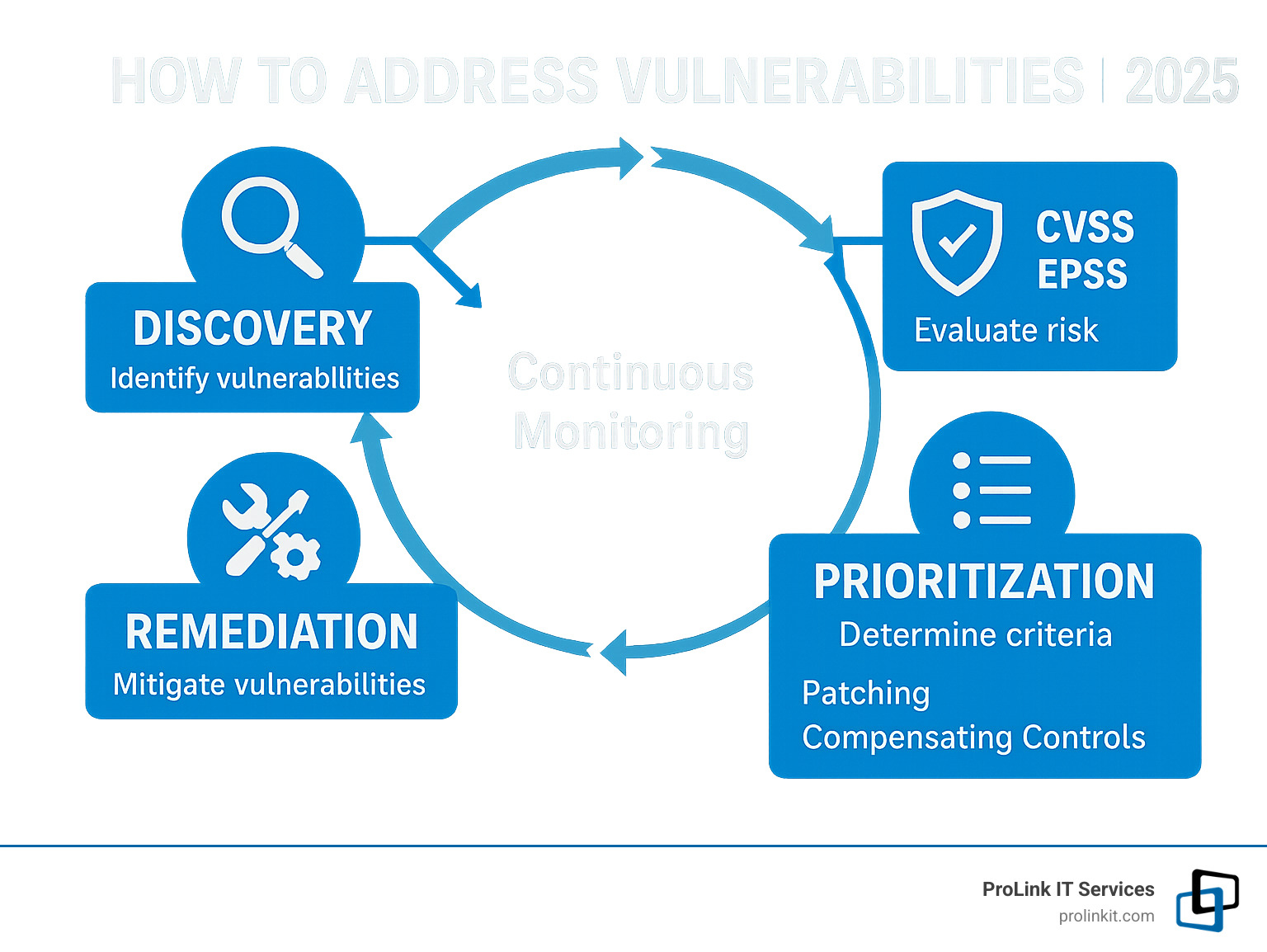
How to address vulnerabilities is a systematic process that involves identifying, assessing, prioritizing, and remediating security weaknesses in your systems before attackers can exploit them. Here’s the essential framework:
- Identify – Find vulnerabilities through automated scanning and manual assessments
- Assess – Evaluate risk using CVSS scores, exploitability data, and business impact
- Prioritize – Focus on high-risk vulnerabilities using threat intelligence and CISA’s KEV catalog
- Remediate – Apply patches, configuration changes, or compensating controls
- Monitor – Continuously scan and reassess your security posture
The numbers paint a stark picture of today’s threat landscape. Ransomware attacks have increased by 350% since 2018, while zero-day attacks rose by 55% in 2021. The National Vulnerability Database now publishes an average of 79 new vulnerabilities every single day.
This isn’t just about technology – it’s about survival. The 2024 Verizon Data Breach Investigations Report noted a 180% year-over-year increase in attacks where vulnerabilities were the primary vector. With only 2%-7% of vulnerabilities actually exploited, the key is knowing which ones pose real threats to your business.
The regulatory landscape is tightening too. The FTC has been bringing enforcement actions for over two decades against companies with poor security practices. Organizations that fail to address vulnerabilities systematically face not just technical risks, but legal and financial consequences.
I’m Mitch Johnson, and with over 20 years of experience helping businesses secure their technology infrastructure, I’ve seen how the right approach to vulnerability management can mean the difference between thriving and becoming another breach statistic. Throughout my career at ProLink IT Services, I’ve guided countless organizations through the process of how to address vulnerabilities effectively, turning what seems like an overwhelming challenge into a manageable, strategic advantage.
How to address vulnerabilities terms to learn:
Why This Guide Matters
Your attack surface is growing every day. Every device, application, and service your business depends on represents a potential entry point for attackers. The traditional approach of treating all vulnerabilities equally simply doesn’t work anymore – it overwhelms your team and wastes precious resources on low-risk issues while leaving critical vulnerabilities unaddressed.
That’s why we need a risk-based approach. Instead of chasing every vulnerability, we focus on the ones that actually matter to your business. This means considering not just the severity of a vulnerability, but also whether it’s being actively exploited, how it affects your critical systems, and what the business impact would be if it were compromised.
The regulatory pressure is real and growing. Organizations must demonstrate they’re taking vulnerability management seriously, not just for compliance, but because it’s becoming a competitive advantage.
Understanding Security Vulnerabilities
Think of a security vulnerability as a crack in your digital foundation – it’s a weakness that attackers can exploit to break into your systems, steal your data, or shut down your operations. Just like a broken window makes your building easier to burglarize, these digital flaws give cybercriminals the opening they need to cause real damage.
The cybersecurity world has developed helpful systems to track these threats. The Common Vulnerabilities and Exposures (CVE) system gives each vulnerability a unique ID number, while the National Vulnerability Database (NVD) provides technical details about each one.
But here’s what really matters for your business: CISA’s Known Exploited Vulnerabilities (KEV) catalog. This isn’t just a list of theoretical problems – it’s a collection of vulnerabilities that hackers are actively using right now to attack organizations just like yours.
The Secure by Design Alert Series makes an important point: we need to build security into our systems from day one, not try to patch it on later.
Common Vulnerability Types & Real-World Impacts
Let me walk you through the vulnerability types you’re most likely to encounter, and why understanding how to address vulnerabilities in each category matters for your business.
Cross-Site Scripting (XSS) happens when websites don’t properly check what users type into forms or search boxes. It’s like letting someone slip a note into your customer’s pocket that tricks them into sharing their credit card information. Modern web frameworks can automatically prevent this if you use template systems that clean user input.
SQL Injection is what happens when your database can’t tell the difference between legitimate data and malicious commands. The fix involves using parameterized queries that keep data and commands completely separate.
Memory safety bugs like buffer overflows are the digital equivalent of a building with a crumbling foundation. These problems mostly happen in older programming languages where developers have to manually manage computer memory. The most effective long-term solution? Gradually migrate to newer, safer programming languages like Rust or Go.
Remember the WannaCry ransomware attack? This digital disaster exploited a Windows vulnerability that Microsoft had already patched months earlier. The attack spread to over 200,000 computers across 150 countries, causing hundreds of millions in damages. The organizations that got hit? They simply hadn’t installed the available security update.
Legal & Compliance Drivers
The regulatory landscape around vulnerability management is getting more serious every year. The FTC has been taking enforcement action against companies with poor security practices for over two decades.
CIS Critical Security Control 7 specifically focuses on continuous vulnerability management. It emphasizes that organizations need to “develop a plan to continuously assess and track vulnerabilities on all enterprise assets to minimize the window of opportunity for attackers.”
ISO 27001 requires organizations to document their security decisions, including how they handle vulnerabilities and any approved exceptions. This isn’t just bureaucratic paperwork – it’s about creating a systematic approach that you can actually measure and improve over time.
CISA’s Binding Operational Directive 22-01 sets specific deadlines for fixing known exploited vulnerabilities in federal agencies. While your organization might not be required to follow these exact timelines, smart businesses are adopting these same standards because they represent current best practices for staying ahead of threats.
How to Address Vulnerabilities Step-By-Step

Starting your vulnerability management program doesn’t have to feel like climbing Mount Everest. I’ve helped dozens of organizations launch successful programs, and the secret is simple: start where you are, not where you think you should be.
The biggest mistake I see companies make is trying to boil the ocean on day one. They want to scan everything, fix everything, and secure everything all at once. It’s like trying to organize your entire house in one weekend – you’ll burn out before you make real progress.
Instead, we kick off with what I call the “foundation first” approach. Begin with a solid asset inventory because you can’t protect what you don’t know exists. This means cataloging every device, server, and application across your network.
Your automated vulnerability scanning comes next, but here’s the trick: schedule these scans during off-peak hours. I learned this lesson the hard way when a client’s accounting system crashed during month-end close because of an overzealous security scan.
The assessment phase is where things get interesting. You’ll find that not every “critical” vulnerability actually threatens your business. Some affect systems that are isolated from your network, others require physical access that’s simply not realistic for your environment.
Find & Validate: The First Mile of how to address vulnerabilities
Asset findy is like taking inventory of your digital kingdom, except your kingdom keeps growing and changing. Modern networks are dynamic – new devices connect, services get deployed, and cloud resources spin up automatically. That’s why we recommend automated findy tools that continuously scan your network and alert you to changes.
Automated vulnerability scanners become your security team’s best friend once you know what you’re protecting. These tools compare your systems against massive databases of known vulnerabilities, flagging potential issues faster than any human could.
That’s where penetration testing comes in. Think of pen testers as friendly hackers who test your defenses without the malicious intent. They validate whether those scanner findings are actually exploitable and often find issues that automated tools miss completely.
The key to effective validation is combining automated breadth with manual depth. Automated scans give you comprehensive coverage and consistency, while manual testing provides the context and creativity that machines simply can’t replicate.
Prioritize & Plan: The Heart of how to address vulnerabilities
Here’s where most organizations stumble: they try to fix everything at once. It’s like trying to repair every pothole in your city simultaneously – you’ll exhaust your resources before making meaningful progress.
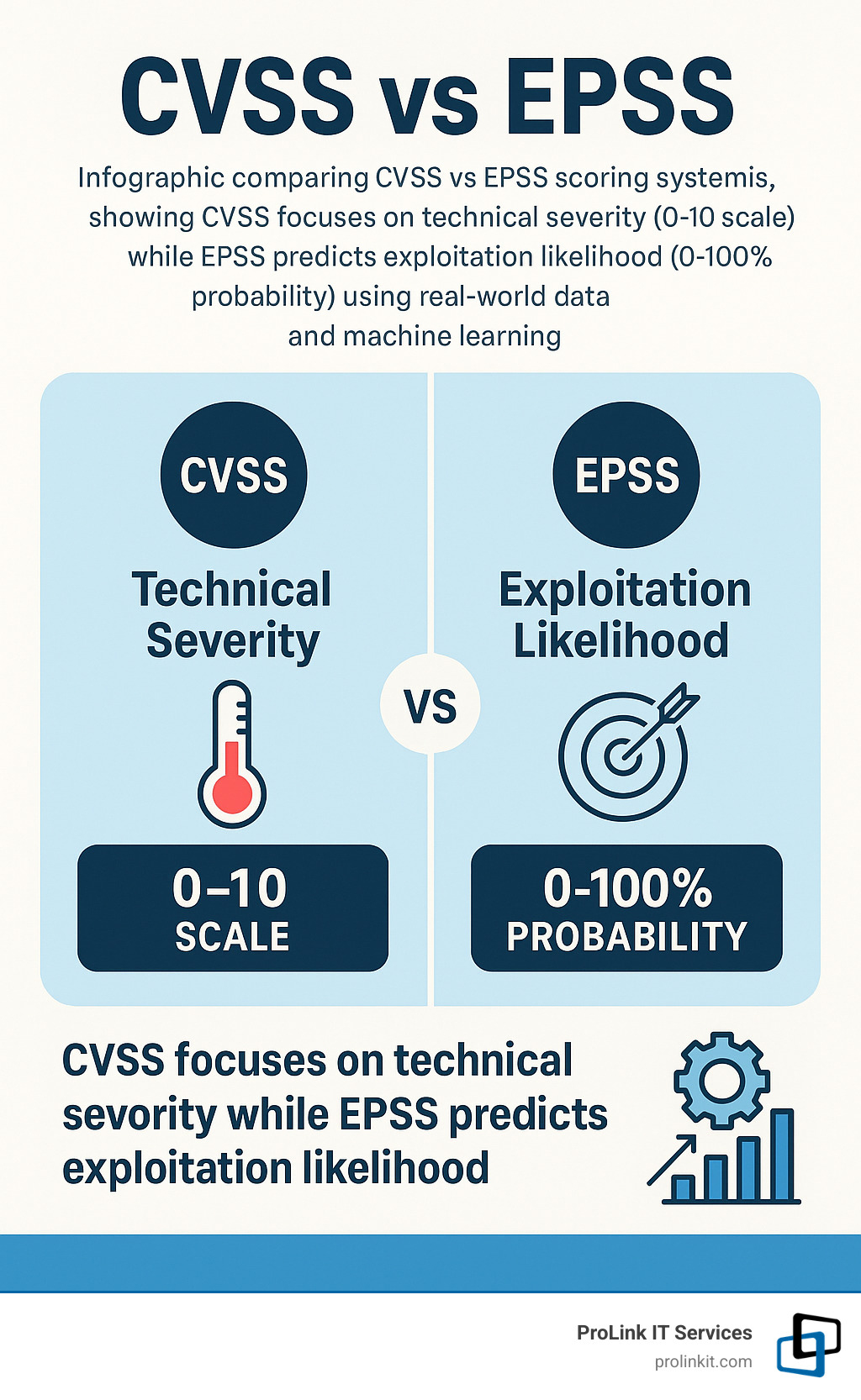
Risk-based prioritization is your salvation. The Common Vulnerability Scoring System gives you baseline severity scores from 0 to 10, but that’s just the starting point.
EPSS (Exploit Prediction Scoring System) changes the game by using real-world exploit data and machine learning to predict exploitation likelihood within the next 30 days. It’s the difference between knowing a door could be broken down versus knowing that burglars are actively targeting doors like yours.
CISA’s KEV catalog should be your priority queue. These vulnerabilities are being actively exploited by attackers right now. If you have any KEV vulnerabilities in your environment, they jump straight to the front of the line for remediation.
But don’t forget business context in your prioritization. A critical vulnerability in your customer database deserves more urgent attention than the same vulnerability in an isolated test system.
Remediate & Mitigate: Closing the Loop on how to address vulnerabilities
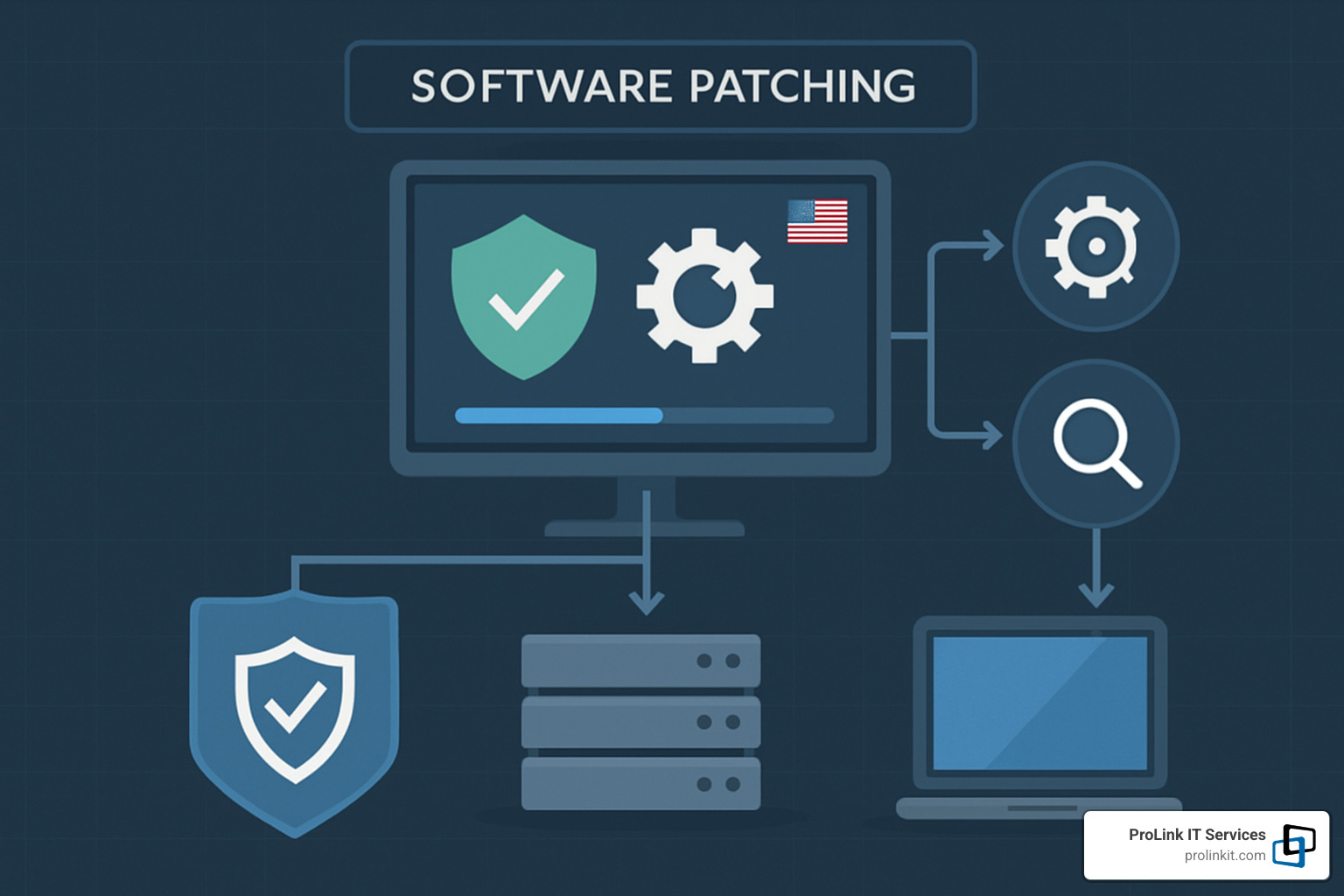
Once you know what needs fixing and in what order, you have several weapons in your remediation arsenal. Patching remains the gold standard – applying vendor-provided updates that fix the underlying vulnerability.
Configuration hardening can sometimes eliminate vulnerabilities without requiring patches. Disabling unnecessary services, changing default passwords, or implementing stronger access controls can dramatically reduce your risk profile.
Virtual patches act as temporary shields, blocking exploitation attempts at the network level while you work on permanent solutions. Think of them as security guards posted at vulnerable entrances while you’re getting new locks installed.
Compensating controls are your backup plan when direct remediation isn’t feasible. Network segmentation, improved monitoring, and stricter access controls can limit a vulnerability’s impact even if you can’t fix it immediately.
Risk acceptance is sometimes the right business decision, but it should never be the easy way out. This needs to be a conscious, documented decision made at the appropriate organizational level.
Documented exceptions are crucial for compliance and future decision-making. When you accept risk, document why, for how long, and under what conditions you’ll revisit the decision.
For organizations that need expert guidance without overwhelming their internal teams, our Managed Security Services can help you implement and maintain a comprehensive vulnerability management program that actually works in the real world.
Continuous Monitoring, Automation, and Improvement
Think of vulnerability management like tending a garden – you can’t just plant once and walk away. The most effective programs we’ve helped organizations build never truly “finish” because the threat landscape keeps evolving. How to address vulnerabilities becomes a living, breathing process that adapts to your changing environment.
Continuous scanning is your early warning system. Instead of waiting for monthly or quarterly scans, modern tools can monitor your systems around the clock. New vulnerabilities pop up daily, and your environment is constantly shifting as you add new applications, update systems, and onboard users.
CI/CD security integration is where things get really interesting. By building security checks directly into your development pipeline, you catch vulnerabilities before they ever reach production. Tools like Amazon Inspector can automatically scan your code and infrastructure as part of your deployment process.
AI analytics are revolutionizing how we predict and respond to threats. These systems can analyze patterns across millions of vulnerabilities to predict which ones are most likely to be exploited next. But here’s the thing – AI is incredibly powerful, but it’s not magic. It still needs human expertise to interpret results and make strategic decisions.
Dashboards and metrics help you understand whether your program is actually working. Key indicators like mean time to remediation (MTTR), percentage of critical vulnerabilities patched within your target timeframes, and trends in your overall vulnerability count tell the story of your security posture.
Building a culture of security means everyone in your organization understands their role in keeping systems secure. Regular training helps your team recognize threats and respond appropriately.
Leveraging Automation & AI
Machine learning exploit prediction is changing the game for vulnerability prioritization. Traditional scoring systems tell you how severe a vulnerability could be, but EPSS feeds use real-world data to predict which vulnerabilities attackers are actually likely to target.
Auto-patch tools can deploy updates across your environment on predetermined schedules. Microsoft’s Patch Tuesday gives you a predictable monthly cycle for Windows updates, while Linux distributions offer their own update rhythms. The secret sauce is testing patches in a controlled environment first.
But automation goes far beyond just patching. Automated vulnerability scanning can run continuously in the background, alerting you to new issues as they’re finded. Automated asset findy can track changes to your environment.
The goal isn’t to replace human judgment – it’s to amplify it. Automation handles the routine, repetitive tasks, freeing your team to focus on strategic decisions and complex problems that require human insight and creativity.
Third-Party & Supply-Chain Exposure
Your vulnerability management program can’t stop at your network’s edge. The reality is that open-source components, third-party software, and vendor-provided services all introduce vulnerabilities that you need to manage, even though they’re not directly under your control.
Software Bill of Materials (SBOM) documents are like ingredient lists for your applications. When a vulnerability is finded in a widely-used library, you can quickly identify which of your applications might be affected.
Vendor assessments should dig into their security practices. How quickly do they patch vulnerabilities? How do they notify customers about security issues? What support do they provide for older versions of their software?
Contractual controls can require vendors to maintain specific security standards, notify you of vulnerabilities within agreed timeframes, and provide patches or workarounds within reasonable service levels.
The supply chain is only as strong as its weakest link. By extending your vulnerability management thinking to include third-party components and services, you create a more comprehensive security posture that reflects the reality of modern interconnected systems.
Frequently Asked Questions about Addressing Vulnerabilities
What frameworks guide an effective vulnerability management program?
When clients ask me about frameworks, I always tell them the same thing: don’t try to boil the ocean. There are plenty of excellent frameworks out there, but the trick is picking one that fits your organization’s size, industry, and maturity level.
The NIST Cybersecurity Framework is my go-to recommendation for most organizations because it’s practical and maps perfectly to how to address vulnerabilities. Its five functions – Identify, Protect, Detect, Respond, and Recover – give you a clear roadmap.
ISO 27001 takes a more comprehensive approach to information security management, with vulnerability management baked right into the core requirements. It’s particularly valuable if you’re dealing with international clients or need formal certification.
For hands-on guidance, CIS Critical Security Control 7 is gold. It specifically addresses continuous vulnerability management with detailed implementation steps. Think of it as your vulnerability management cookbook – it tells you exactly what to do and how to do it.
If you’re in a regulated industry, you’ve probably already got frameworks thrust upon you. PCI DSS for payment card data, HIPAA for healthcare, and SOX for publicly traded companies all include specific vulnerability management requirements. The good news? Most of these requirements overlap significantly with good security practices anyway.
Here’s my advice: start with the basics from whichever framework resonates with your team, then build from there. I’ve seen too many organizations get paralyzed trying to implement everything at once.
When is it acceptable to accept the risk of a vulnerability?
This is probably the question I get asked most often, and it’s usually accompanied by a slightly guilty look. Let me be clear: risk acceptance is a perfectly legitimate part of how to address vulnerabilities when done thoughtfully.
The key word there is “thoughtfully.” You’re not just throwing your hands up and hoping for the best. You’re making a conscious business decision based on real analysis.
Low-impact vulnerabilities are often good candidates for risk acceptance. If fixing a vulnerability would cost more than the potential business impact, and the system isn’t critical to operations, acceptance might make sense.
Legacy systems approaching end-of-life present another common scenario. If you’re planning to replace a system in six months, it might not make sense to invest heavily in patching it, especially if you can implement compensating controls in the meantime.
Compensating controls can make risk acceptance more palatable. Network segmentation, access controls, and improved monitoring can significantly reduce the impact of a vulnerability even if you can’t fix it directly.
The critical part is documentation. Every risk acceptance decision should be documented with the rationale, the person who made the decision, and a review date. I’ve seen organizations get into trouble not because they accepted risk, but because they couldn’t explain why they accepted it.
Here’s a sobering statistic: in 2022, 12% of risk-accepted vulnerabilities later manifested as critical severity issues. This highlights why regular review is so important.
How can organizations measure the success of their vulnerability management efforts?
Metrics can be tricky territory. I’ve seen organizations get so caught up in measuring everything that they forget to actually improve anything. The goal isn’t to have impressive dashboards – it’s to demonstrate that your approach to how to address vulnerabilities is actually working.
Mean time to remediation (MTTR) is probably the most important metric. This measures how long it takes from when you find a vulnerability to when you fix it. But here’s the key: you need different MTTR targets for different severity levels.
Percentage of critical vulnerabilities patched within SLA tells you whether you’re meeting your own commitments. If you’re consistently missing your targets, either your SLAs are unrealistic or your processes need improvement.
I love tracking proactive versus reactive findy. Are you finding vulnerabilities through your own scanning programs, or are you learning about them from external sources like security researchers or incident response?
Trend analysis shows whether you’re winning or losing the overall battle. Is your total vulnerability count going down over time? Are you finding fewer high-severity issues?
But here’s what I tell all my clients: don’t just measure – act on what you learn. If your MTTR is increasing, investigate why. Are you overwhelmed with too many vulnerabilities? Do you need better prioritization?
The most successful organizations I work with use metrics to drive continuous improvement, not just to report status to management. They ask tough questions about what the numbers mean and what they need to change to get better results.
At the end of the day, the best metric is the one that doesn’t happen: the security incident that never occurs because you managed your vulnerabilities effectively.
Conclusion
Learning how to address vulnerabilities isn’t just about checking boxes on a security audit – it’s about building a systematic, risk-based approach that actually protects your business while you focus on what you do best. The key is starting with that solid foundation we’ve talked about: knowing what you have, scanning it regularly, fixing what matters most, and keeping watch continuously.
Here’s what I’ve learned after two decades in this field: the organizations that succeed aren’t necessarily the ones with the biggest security budgets. They’re the ones that approach vulnerability management with discipline and consistency. They don’t try to fix everything at once, but they don’t ignore the problems either.
At ProLink IT Services, our veteran-owned approach brings that same military discipline and integrity to vulnerability management. We’ve seen too many businesses get overwhelmed by the complexity of modern cybersecurity, trying to tackle everything themselves. That’s why we take a true partnership approach – working alongside you to develop solutions that fit your specific needs, your risk tolerance, and your business objectives.
The threat landscape will absolutely continue to evolve. New vulnerabilities will be finded, new attack techniques will emerge, and your business will grow and change. But the fundamental principles we’ve covered remain rock-solid: know your assets, understand your risks, prioritize based on what actually matters to your business, and maintain that continuous vigilance.
With the right approach and the right partner, how to address vulnerabilities transforms from an overwhelming technical challenge into a strategic advantage. Instead of constantly worrying about what might go wrong, you can focus on growing your business with confidence.
Don’t let vulnerabilities become the weak link that holds your business back. The time to act is now – before you become another statistic in next year’s breach reports. Our Managed Security Services team is ready to help you implement these strategies and maintain them over time, giving you the peace of mind that comes from knowing your digital assets are properly protected.
In cybersecurity, the best defense really is a good offense. By proactively identifying and addressing vulnerabilities, you’re not just protecting your business – you’re positioning it for success in an increasingly digital world. And that’s exactly where every business deserves to be.