

Mastering Your Network: A Comprehensive Guide to Management
Understanding Network Management: The Foundation of Modern Business Operations
Network management is the process of administering computer networks to ensure optimal performance, security, and reliability. It involves a systematic approach to configuring, monitoring, and maintaining all network infrastructure—from routers and switches to cloud services and IoT devices—using specialized platforms and tools.
In today’s digital landscape, businesses depend entirely on their networks. When they fail, the costs can be staggering, with some companies losing thousands or millions of dollars per hour of downtime. This makes effective network management a business-critical function that directly impacts productivity and profitability. The global market for these systems is projected to grow significantly, highlighting their increasing importance.
This guide will cover everything you need to know, from core concepts and tools to security and best practices. I’m Mitch Johnson, founder and CEO of ProLink IT Services, and with over 20 years of experience helping Utah businesses, I’ve seen how proper network management transforms companies from reactive to proactive.

Network management vocabulary:
The Fundamentals of Effective Network Management
Effective network management coordinates all your technology components for seamless business operations. It encompasses several key activities: network administration (day-to-day tasks), network operations (real-time monitoring and response), network maintenance (updates and repairs), and network provisioning (allocating resources).
The industry standard for organizing these activities is the FCAPS Model, a framework developed by the International Organization for Standardization (ISO) that breaks network management into five essential functions:
- Fault management: Proactively finding and fixing issues before they impact your business.
- Configuration management: Tracking every network device and its setup to ensure harmony.
- Accounting management: Monitoring resource usage to ensure fair and efficient distribution.
- Performance management: Measuring bandwidth, response times, and error rates to prevent bottlenecks.
- Security management: Protecting the network from threats, unauthorized access, and data breaches.
What is network management?
Network management is a combination of process and platform. The process involves administering your network by collecting real-time data from all connected devices. The platform consists of sophisticated tools that provide centralized control and visibility over the entire infrastructure from a single dashboard, allowing us to monitor traffic, fix problems, and plan for growth.
Why is it so important for your business?
When your network goes down, your business stops. Every email, transaction, and cloud application relies on it.

The cost of downtime can be immense, with some companies losing millions per hour. Effective network management delivers key benefits:
- Minimizing disruptions: Proactive monitoring catches problems before they become crises, preventing costly downtime.
- Improving productivity: A smooth, reliable network allows employees to focus on their work without interruption.
- Enhancing security: It serves as a first line of defense against cyber threats that can devastate your business.
- Ensuring business continuity: A resilient infrastructure ensures you can recover quickly from any incidents.
- Supporting speedy decisions: Real-time visibility into network performance allows leaders to make informed choices.
That’s exactly why we offer comprehensive Managed Networks services. We handle these complex tasks so you can focus on running your business.
Core Components, Techniques, and Tools
Effective network management harmonizes physical components, smart techniques, and powerful software. The foundation is built on essential network devices like routers (traffic directors), switches (local connectors), firewalls (security guards), and access points (wireless hubs). Every device on your network, from servers to smartphones, requires management.
In today’s complex environments with cloud services and remote work, a Network Management System (NMS) acts as a centralized command post, unifying all your hardware and software tools.
Key Techniques for Network Control

Several core techniques ensure your systems run smoothly:
- Network monitoring: A 24/7 health checkup, watching for signs of trouble like bandwidth spikes or packet loss.
- Bandwidth analysis: Understanding who is using what resources and when, ensuring critical applications have priority.
- Performance optimization: Using collected data to improve efficiency, such as by reshaping traffic patterns or reducing congestion.
- Troubleshooting: Systematically tracking down and resolving issues quickly to minimize impact.
The key is proactive issue identification—using analytics to spot trouble before it starts. This forward-thinking approach is a core part of our Managed Network Services.
The Role of a Network Management System (NMS)
An NMS is the brain of the operation, a comprehensive platform that enables these techniques. It collects real-time data from all devices and provides complete control through a single interface. Key features include:
- Centralized Control and Visibility: Manage your entire network—on-premise, cloud, and remote—from one dashboard.
- Automation and Alerts: Automatically handle routine tasks like backups and updates, while instant alerts notify us of any issues.
- Data Analysis and Reporting: Turn raw data into actionable insights, spot trends, predict capacity needs, and generate clear reports for informed business decisions.
This integrated system transforms network management from a reactive scramble into a proactive, strategic advantage.
Bolstering Defenses and Mitigating Risk
In today’s hostile cybersecurity landscape, security isn’t an afterthought in network management—it’s woven into every decision. With ransomware attacks on the rise and recovery taking weeks, your network is the first line of defense against business-ending threats. Effective network management provides powerful tools to fight back, creating multiple layers of protection that make your business a much harder target.
How Network Management Improves Security
A well-managed network acts as a digital security guard, constantly watching for trouble.
- Threat detection and prevention: AI-powered systems learn your network’s normal behavior and immediately alert us to suspicious activity, like unusual data transfers.
- Access control policies: We establish strict rules about who can access what, when, and from where, stopping many attacks by limiting access to only what is necessary.
- Vulnerability scanning: We regularly scan your infrastructure for weaknesses that hackers could exploit and fix them before they are found.
- Activity logging and Encryption: Detailed logs provide a digital paper trail for analysis and investigation, while strong encryption protects your data from being read even if intercepted.
These measures are integrated into our Cybersecurity Solutions. For more tips, see our 7 Top Network Security Tips for Businesses.
Ensuring Compliance and Managing Vulnerabilities
Security also means meeting regulatory standards like PCI, HIPAA, or SOX. Your network management system must help you stay compliant. We achieve this through:
- Automated Audits and Configuration Checks: Our systems continuously monitor configurations against security best practices and regulatory requirements, generating reports automatically and preventing compliance gaps.
- Rigorous Patch Management: We keep all your systems updated with the latest security patches, closing the doors that cybercriminals love to exploit.
- Isolated Recovery Environment (IRE): In case of a major attack like ransomware, an IRE provides a completely separate, clean environment to restore data and rebuild systems without risk of re-infection.
Proactive vulnerability management is not just good practice; it’s often a legal requirement to avoid fines and reputational damage. Learn more about How to Address Vulnerabilities in your network.
Navigating Modern Complexities and Future Trends
The world of network management is growing more complex. The hybrid work revolution demands secure, reliable connections for employees everywhere, from the main office to their kitchen tables.
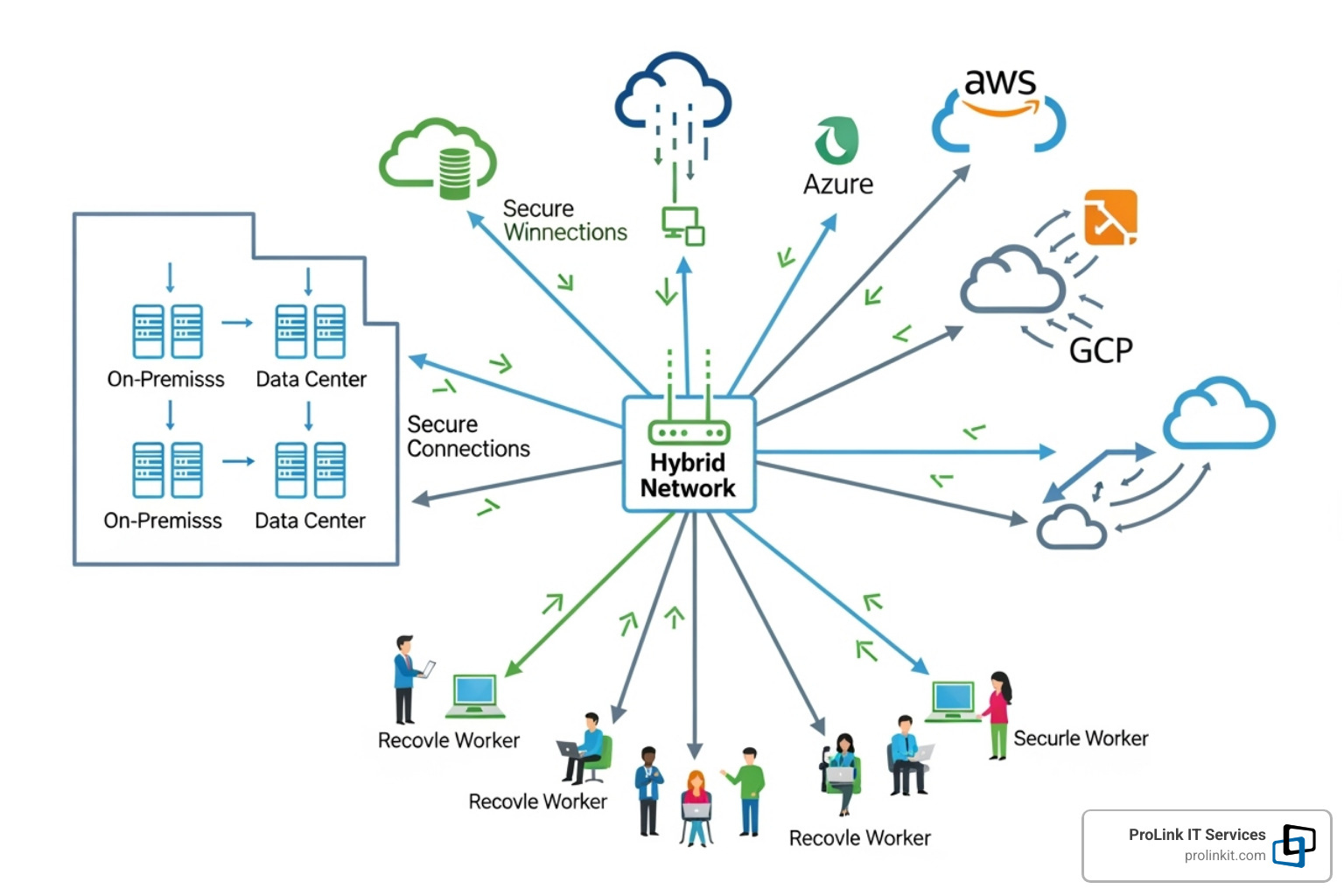
Modern networks are sprawling ecosystems stretching across on-premises data centers, multiple clouds, and thousands of IoT devices. At the same time, user expectations for “always-on” performance have skyrocketed, and managing remote infrastructure adds another layer of difficulty. The pressure to maintain flawless connectivity is relentless.
The Impact of AI, ML, and Modern Network Management Approaches
Fortunately, technology is rising to meet these challenges. Artificial Intelligence (AI) and Machine Learning (ML) are shifting network management from a reactive to a proactive discipline. This shift is driving significant growth in the network management systems market.
- Predictive Analytics and Anomaly Detection: AI-powered systems learn your network’s normal behavior to spot trouble before it becomes a problem. By identifying subtle anomalies in traffic or performance, these tools provide an early warning system for security threats and equipment failures.
- Network Automation: AI-driven systems can handle routine tasks like configuring new devices and deploying updates without human intervention. This “Zero-Touch Provisioning” reduces human error and frees up technical teams for more strategic work.
- Optimized Resource Management: Intelligent systems can automatically prioritize bandwidth and processing power for your most critical applications, ensuring they always perform when needed.
These advanced capabilities, combined with approaches like Software-Defined Networking, allow us to stay ahead of network challenges. This is how we deliver reliable and efficient operations through our IT Infrastructure Services Salt Lake City UT. The future of network management is smarter, more automated, and ready for any complexity.
Best Practices for a Robust Strategy
An effective network management strategy is a flexible roadmap for your digital infrastructure. It requires a solid foundation built on key best practices:
- Comprehensive Architecture Planning: We start by understanding your business goals to design a network that serves your specific needs and can adapt to change.
- Thorough Documentation and Asset Management: Maintaining detailed records of every component, setting, and change is crucial for fast and effective troubleshooting.
- Performance Baselining: We establish your network’s normal performance patterns to proactively identify trends that signal emerging issues before they cause problems.
- Scalability Planning: Your network is designed with room to grow, making it cost-effective to accommodate new employees or software upgrades without a complete overhaul.
- Redundancy and Resilience: We build in backups, alternative paths, and automatic failover mechanisms to ensure your business keeps running even if individual components fail.
Implementing Your Network Management Plan
Turning these practices into reality requires a structured approach. Our implementation process for Utah businesses includes:
- Defining Clear Objectives: We work with you to determine what success looks like, whether it’s 99.9% uptime or seamless remote work support.
- Selecting Appropriate Tools: We leverage our experience to choose the right solutions for your needs, budget, and technical environment.
- Establishing Clear Policies: We create consistent procedures for access control, incident response, and network changes to ensure everyone knows their role.
- Regular Reviews and Training: We conduct regular check-ins to keep your strategy current and ensure your team (or ours) is up-to-date on the latest tools and techniques.
This systematic approach builds a network management strategy that positions your business for future success and creates a true competitive advantage.
Frequently Asked Questions about Network Management
Here are answers to the most common questions we hear from our Utah clients about network management.
What is the difference between network management and network monitoring?
Many people use these terms interchangeably, but they are different.
Network monitoring is the process of observing and collecting data about network health and performance. It tells you what is happening on your network.
Network management is the action taken based on that data. It includes monitoring but also involves configuring devices, fixing problems, implementing security policies, and planning for the future. In short, monitoring is gathering intelligence; management is acting on it.
What is the FCAPS model in network management?
The FCAPS model is an industry-standard framework that breaks down network management into five key areas, ensuring a comprehensive approach:
- Fault Management: Identifying, tracking, and resolving network problems.
- Configuration Management: Tracking and managing the setup of all network devices.
- Accounting Management: Monitoring resource usage for capacity planning and cost allocation.
- Performance Management: Measuring network performance to optimize and prevent bottlenecks.
- Security Management: Protecting the network from threats and unauthorized access.
How does network management help reduce costs?
Effective network management delivers significant cost savings in several ways:
- Preventing Downtime: Proactive management catches problems before they become costly outages, which can save thousands or even millions of dollars.
- Optimizing Resources: By analyzing actual usage, we ensure you don’t overpay for bandwidth or hardware you don’t need.
- Increasing Efficiency: Automation reduces manual labor, lowering operational costs and freeing up staff for strategic projects.
- Enhancing Security: Preventing a single data breach can save you from catastrophic financial losses related to recovery, fines, and reputational damage.
A well-managed network is an investment that boosts productivity and pays for itself many times over.
Conclusion
Network management has evolved from a simple IT task to a strategic foundation that can make or break a business. As we’ve seen, the consequences of neglect can be catastrophic, but a proactive approach—combining robust monitoring, strategic security, and continuous optimization—transforms your network from a liability into a competitive advantage.
You don’t have to steer this complexity alone. At ProLink IT Services, we’ve built our reputation on discipline, integrity, and genuine partnership. As a veteran-owned company, we bring a unique commitment to excellence to serving businesses here in Utah.
Choosing proactive network management is about gaining peace of mind. When your network is properly managed by the right partner, it becomes a reliable foundation that supports your growth and protects your future, allowing you to focus on what you do best.
Ready to transform your network from a headache into a strategic asset? Take control of your infrastructure with expert Network Management from ProLink IT Services. Let’s build something great together.